Process
Why Weekly Charts
Weekly charts give me less to react to and make it easier to leave a good trade alone.
 Nick SchmidtPublishedUpdated
In 2014, I made over 600 trades, chased daily market moves, and finished the year down 15%. The S&P 500 was up 11%.
I was working hard, watching every day, stressing over every move, and I still would have been better off buying the S&P 500 and doing nothing.
That was frustrating for me. I put in all that effort just to realize doing less would have been better.
In 2024, I placed around 30 trades and finished the year up 62%.
When I did a deep dive, my best trades were the ones I held for multiple months and barely interfered with.
Most of the other trades probably never should have been placed.
That review is what eventually pushed me toward weekly charts.
It is not because I never watch the market during the week. I still do. It is because I know what happens to me when every daily move feels like a new decision.
The weekly chart keeps the bigger picture in front of me. It keeps the trend and the important levels from getting buried under every red day, every pullback, and every little reason to do something.
The strategy has to fit me
A strategy can make sense on paper and still be wrong for the way I actually behave.
I used to want to force myself into a faster style of trading, but that was never really me. Weekly charts fit me better because they work with the way I make decisions instead of constantly putting me in spots where I overthink.

Weekly charts slow me down
If I watch every move, eventually I find a reason to do something. Weekly charts give me less to react to and make it easier to leave a good trade alone.
They make the bad days easier to sit through
A few bad days can feel much more important than they really are. The weekly chart helps me see whether something actually changed or if the trade is just uncomfortable.
They give my trades time to work
My best trades have usually taken months. Weekly charts give them room to develop without making me reconsider the position every day.
They make it clearer where I am wrong
I do not need to react to every pullback. I need to know the level where the trade no longer makes sense, and weekly charts make that easier for me to see.
They keep the process simple
At a certain point more information makes me trade worse and adds complexity. It gives me more ways to second-guess myself. For me, less is more.
Less to react to
On a daily chart I get five new candles every week. Five chances to decide something looks bad, move a stop, sell too early, chase something else, or convince myself the trade changed when it really didnt.
On a weekly chart I get one main candle shaping the bigger picture.
That sounds almost too simple, but that is kind of the point. I need fewer chances to talk myself out of the plan.
I started on one-minute charts and I remember thinking the pattern day trade rule was the thing holding me back. I thought if I could just take unlimited day trades I would figure it out.
Which is funny now because I do not think I have come close to hitting that limit in years. The problem was never a lack of action. The problem was wanting action.
Now most of my process is waiting. I am either in something and trying to let it work, or I am waiting for a stock to get to a level where the risk finally makes sense.
I am not trying to have an opinion on every candle anymore. I am trying to find the few levels that actually matter and leave the trade alone unless those levels change.
Monster trends still have a lot of red days
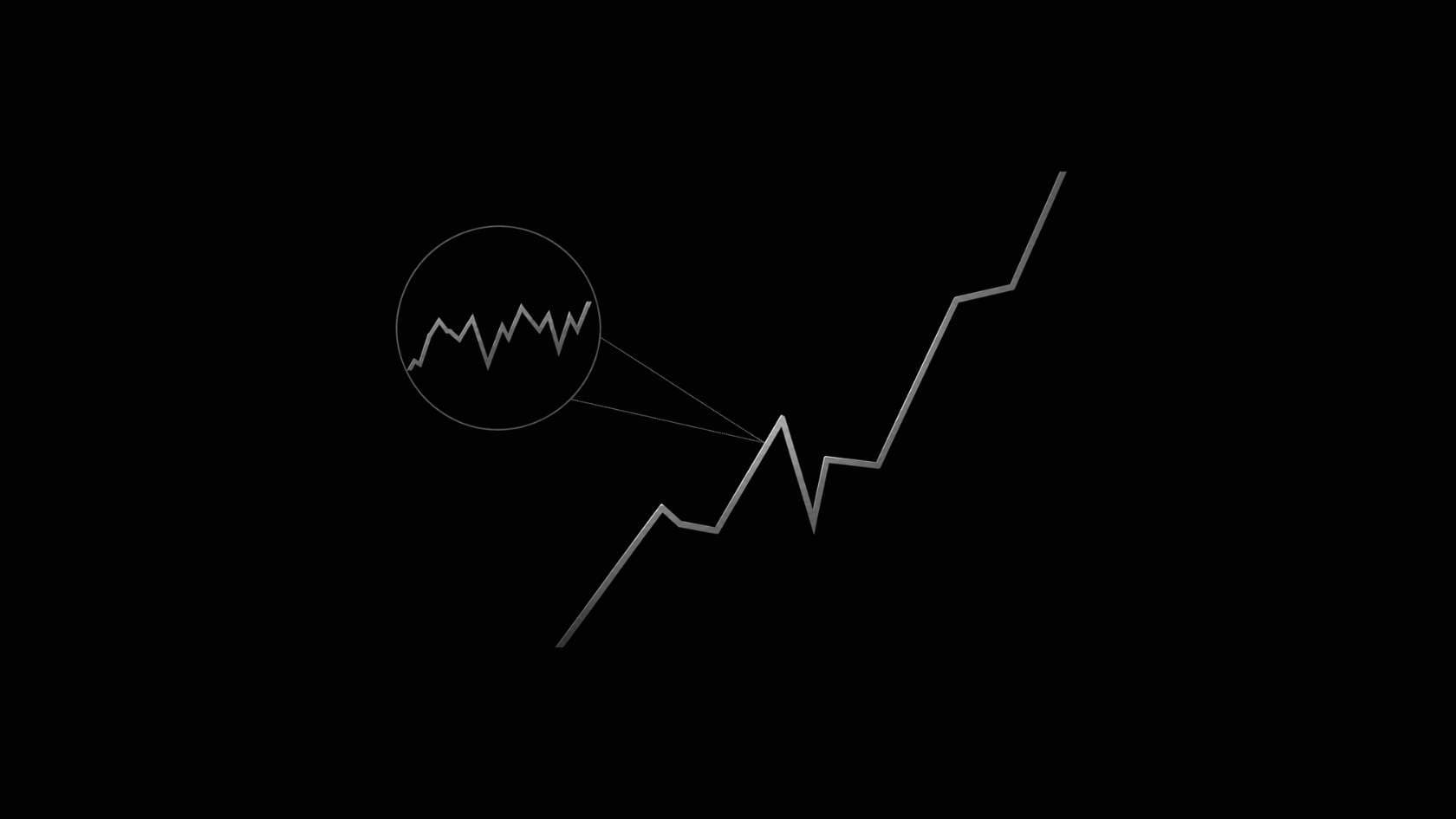
One exercise that has helped me a lot is taking a big weekly trend and then going back to study the daily chart.
The weekly chart of SNDK looks like an easy hold in hindsight but that is not what it feels like in real time.
When you look at the daily chart you see half of the days are red. Overanalyzing every single day makes a great trade impossible to sit in.
Weekly charts slow me down
That is really why they fit me. I still watch the market, but I do not feel like every move needs a decision. Weekly charts help keep me out of my own way.
Related concepts
Study next
Buying in Bases
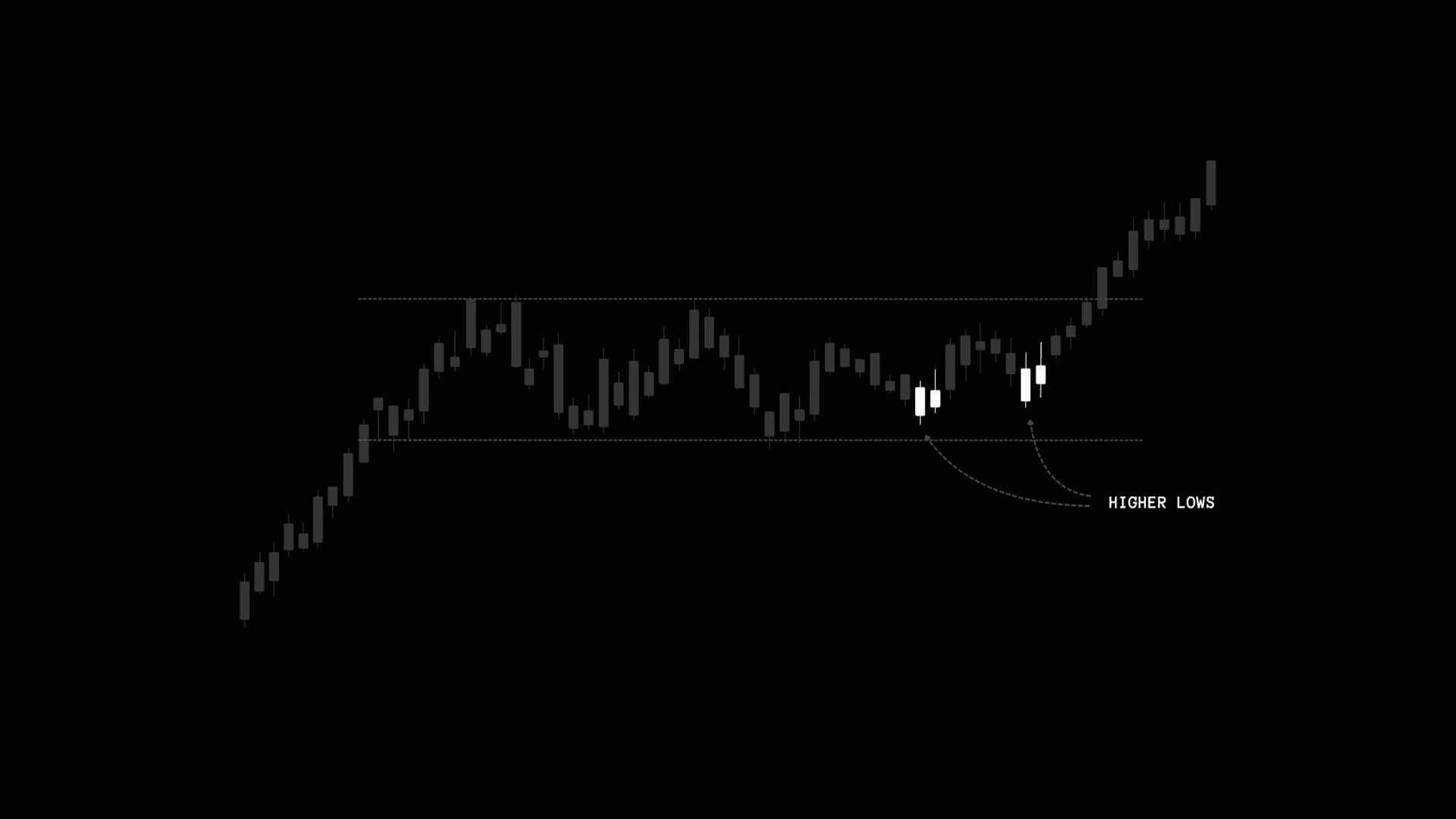
The signs I look for when a base is starting to come up the right side.
Want to know when something new is published?