
Market Context
Environment over setup
A bad setup is more likely to work in a good market than a perfect setup is in a bad market.
 Nick SchmidtPublishedUpdated
William O'Neil writes in Chapter 9 of How to Make Money in Stocks that three out of four stocks follow the general market. His point was that getting the market direction wrong can overwhelm everything else you got right about a stock. It sounds almost too simple, but the market is still the first thing I care about because it is the force behind every setup.
In a clear uptrend, even an entry I do not love can work because strength keeps leading to more strength. In chop, even the cleanest setup can fail because every move keeps getting reversed. I still need a good chart, a logical entry and a place to manage risk, but the market comes first.
William J. O'Neil, How to Make Money in Stocks, 4th ed. (McGraw Hill, 2009), Chapter 9.
Environment over setup
The April 8 follow-through day
A follow-through day, or FTD, is a strong rally on heavier volume after a market decline. For me that is the first real sign institutions are coming back, and even though it does not guarantee the low is in, I have to buy something and test it no matter what I think.
The April 8 FTD started the good environment and forced me to get involved while I still did not trust the rally. In the April 12 report, AMAT and TER were already working and more growth stocks were breaking out of multi-month bases together, so what happened after made it easier to keep buying.
Imperfect entries worked anyway
I do not usually like buying strength. I would rather wait for weakness and enter closer to a level where I can manage risk, but early in a trend when everything is working right away, waiting for the perfect entry can mean never getting involved. In the April 19 report, I wrote that these early uptrends are one of the only windows where I buy strength because sometimes it is the only way to get in.
I came into the week of April 13 at 40% exposure and ended at 90%. The MU trade from that same April turn shows what that looked like in one position: the market had followed through, my recent trades were getting traction and the early entry inside the base worked quickly.
April: breakouts started holding
These were the weekly charts I posted on April 9. For months strength had been sold and breakouts would not stick. Now good stocks were coming out of long bases together and holding the moves instead of giving everything back.
After June 5, the trend was gone
After The Kill Candle on June 5, the market lost the clear trend without collapsing. Morning strength and breakouts kept getting faded, weakness got bought for a little while and moves started reversing in both directions instead of following through. The institutional demand that had carried the April trades was gone and the market had turned choppy.
DELL is the cleanest example because there was nothing obviously wrong with the setup. It was tight near the highs, the pivot around 420 was clear and I had an obvious place to manage risk against.
DELL looked about as clean as I could ask for
July 14: DELL followed through
DELL · weekly
DELL weekly chart through July 14 showing the stock reaching 463.48 and closing at 457.54 above the 420 pivot
July 17: the breakout failed
DELL · weekly
DELL weekly chart at the end of July 17 showing the same weekly candle fading to 368.15 and closing at 396.34 below the 420 pivot
Early last week DELL looked about as perfect as a weekly breakout could look, and Tuesday gave me the follow-through I wanted. By Friday the same weekly candle had aggressively failed. I am using DELL because it was one of the best charts I could find and strength still got faded with everything else.
What I look for in the market
A clear uptrend gives trades a forceful wind at their back. Without a trend, even perfect setups are more likely to fail.
Good uptrend
- What is behind it
- Institutions buying with size and conviction
- How stocks act
- Strength follows through
- What it means
- Even imperfect entries can work
No clear trend
- What is behind it
- No decisive institutional force either way
- How stocks act
- Choppy moves reverse in both directions
- What it means
- Even perfect setups are more likely to fail
| Market conditions | Good uptrend | No clear trend |
|---|---|---|
| What is behind it | Institutions buying with size and conviction | No decisive institutional force either way |
| How stocks act | Strength follows through | Choppy moves reverse in both directions |
| What it means | Even imperfect entries can work | Even perfect setups are more likely to fail |
The chart can show me what I want to buy and where I am wrong, but it cannot create the institutional demand that carries the trade. That has to come from the market and when it is not there even the cleanest setup can get chopped up with everything else.
How I decide what to buy
- I start with the market. Are multiple breakouts holding and following through together, or is everything reversing with no clear trend?
- Then I look for a good chart and an entry I can manage risk against. A clear uptrend lets me accept some imperfection, but in chop one perfect chart is not enough to override what is happening everywhere else.
- The Feedback Loop comes after that. My positions tell me whether the environment I think I am seeing is actually rewarding the strategy, and I adjust exposure from there.
What I check when good setups fail
When a few good setups fail in a row, I can start picking apart my entries or thinking I need a new strategy. But if the charts still look right and nothing follows through, the first thing I need to ask is whether the market stopped carrying them.
The setup can stay exactly the same while the odds around it change, and if I miss that I can spend the entire choppy period fixing something that was never broken.
Related concepts
The Feedback Loop
Process
How I use my recent trades to decide when to be in the market and when to step aside.

The Kill Candle
Market Context
A heavy QQQ selloff that separates the easier market before it from the choppier market after it.
Buying in Bases
Entry Tactics
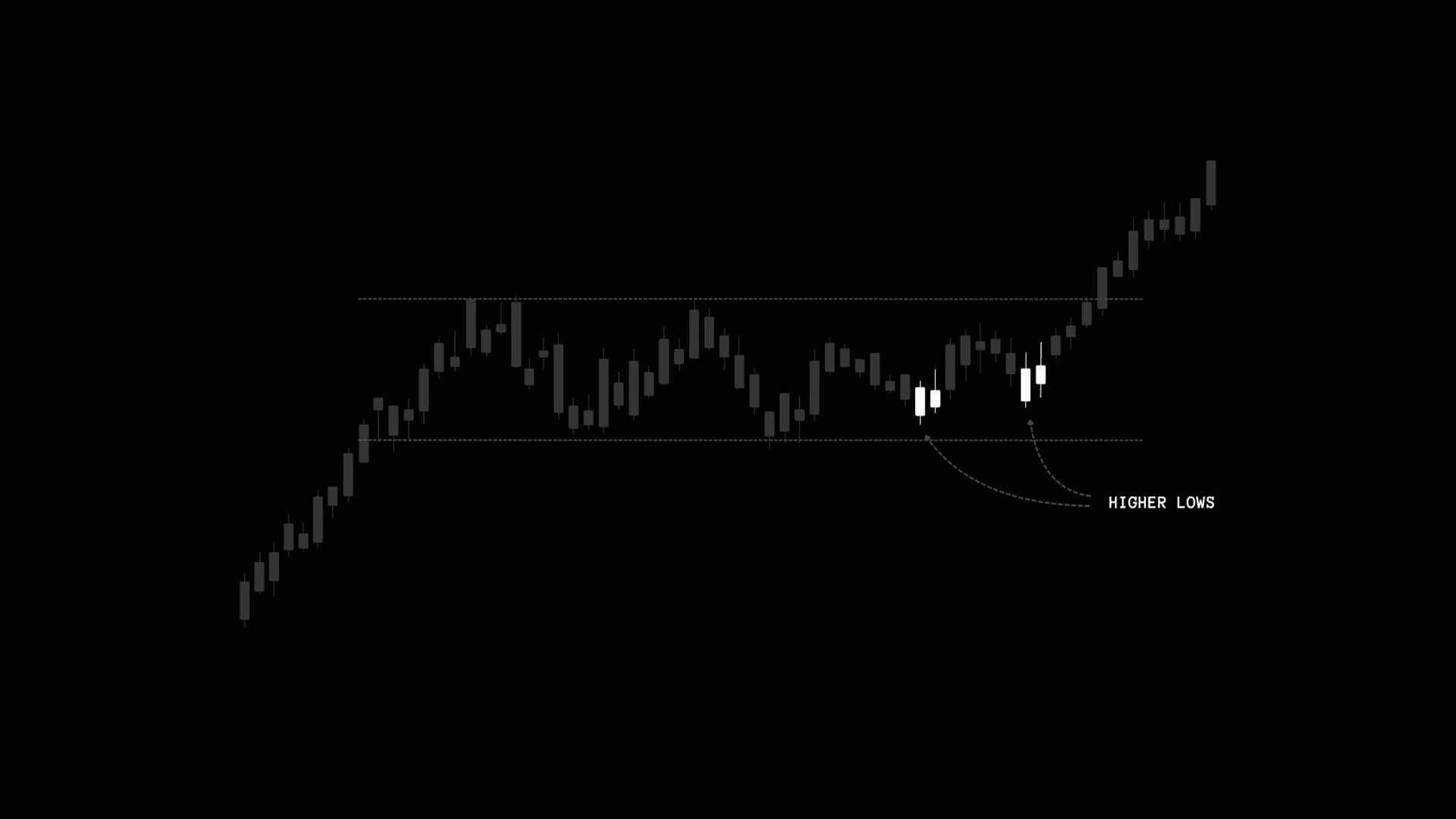
The signs I look for when a base is starting to come up the right side.
Want to know when something new is published?